Start the conversation today. Fill out the form and take the first step toward measurable growth.
Thank you! Your submission has been received!
Oops! Something went wrong while submitting the form.
Close
Professional Search Engine Optimization Services: Your Complete Guide to Search Engine Optimization for Business Growth and Long-Term Growth
In today's digital landscape, search engine optimization (SEO) has evolved from an optional marketing tactic into an essential driver of business growth and competitive advantage. With over 8.5 billion Google searches conducted daily, appearing at the top of search results directly impacts your company's visibility, customer acquisition, and revenue generation. This comprehensive guide explores how professional search engine optimization services help businesses improve search rankings, drive qualified organic traffic, and achieve sustainable long-term growth through strategic SEO implementation. Whether you're a small local business seeking to dominate local search or an enterprise company competing nationally, understanding SEO strategies, technical requirements, and evolving search engine algorithms proves critical for ensuring your business stays ahead in an increasingly competitive digital marketplace. Read on to discover why SEO is important for business growth and how to approach search engine optimization effectively.
What Is Search Engine Optimization and Why Is It Important for Business Growth?
Search engine optimization encompasses the systematic process of improving your website's visibility on search engines like Google, Bing, and other platforms where potential customers search for products, services, and information. SEO strategies involve optimizing various website elements—content, technical architecture, user experience, and external reputation—to help search engines understand, index, and rank your pages favorably in search results for relevant queries. The goal extends beyond simply achieving high rankings; effective SEO ensures your website attracts qualified visitors likely to convert into customers.
The importance of SEO for modern business growth cannot be overstated. Unlike paid search ads that stop generating traffic once advertising budgets are exhausted, organic search rankings provide sustainable, cost-effective customer acquisition that compounds over time. According to BrightEdge Research, organic search drives 53% of all website traffic and influences 40% of revenue for most businesses, making it the highest-performing marketing channel for customer acquisition costs and lifetime value. Companies that invest in SEO consistently outperform competitors relying solely on paid advertising or traditional marketing approaches.
Search engine optimization delivers multiple business benefits beyond traffic generation. Strong SEO builds brand credibility—users inherently trust organic search results more than paid advertisements, with top-ranking websites perceived as industry leaders and authoritative sources. SEO improves user experience through faster page loads, mobile optimization, and quality content that addresses user intent. Additionally, SEO provides measurable ROI through analytics tracking conversion paths, keyword performance, and attribution modeling that demonstrates how search visibility contributes to revenue. For businesses seeking sustainable competitive advantages, SEO represents a foundational investment that generates compounding returns as rankings improve, content accumulates, and domain authority strengthens over time.
How Do Search Engines Work and Evaluate Websites?
Understanding how search engines work provides essential context for effective SEO implementation. Search engines operate through three fundamental processes: crawling, indexing, and ranking. Crawling involves automated bots (spiders) systematically discovering and scanning web pages by following links across the internet. These search engine bots collect information about page content, structure, and connections to other pages, building comprehensive maps of the web's interconnected content.
Indexing represents the second phase where search engines process and store information collected during crawling. Search engines analyze page content, categorize topics, identify keywords, extract metadata, and organize information in massive databases enabling rapid retrieval during searches. Technical factors like robots.txt files, XML sitemaps, and proper HTML structure determine whether search engines can crawl and index content effectively. Pages with technical barriers—slow loading speeds, broken links, duplicate content, or poor mobile compatibility—may not be indexed properly, rendering them invisible in search results regardless of content quality.
Ranking constitutes the third critical process where search engine algorithms evaluate hundreds of factors to determine which pages appear for specific queries and in what order. Search engines use sophisticated machine learning models considering relevance signals (keyword usage, content quality, topic authority), technical factors (page speed, mobile-friendliness, security), user experience metrics (engagement, bounce rates, dwell time), and authority indicators (backlinks, brand mentions, domain age). Google's search algorithms undergo constant evolution, with major updates like helpful content systems, core updates, and experience-focused changes reshaping search rankings regularly. The Google Search Central documentation provides official guidance on how search engines evaluate and rank content.
What Are the Three Pillars of SEO and How Do They Drive Results?
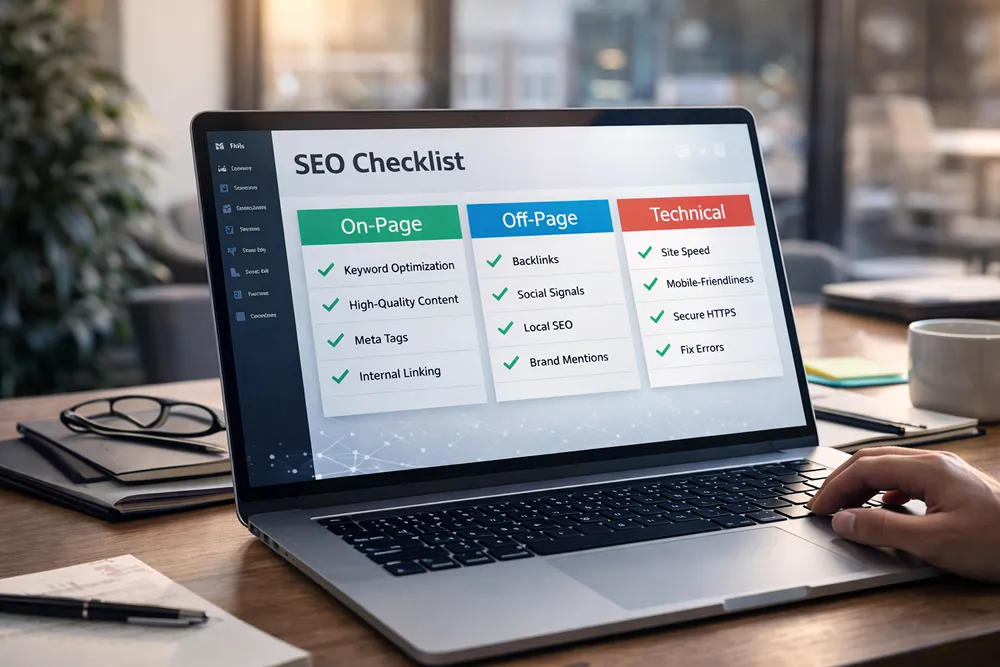
Professional SEO services organize optimization efforts around three foundational pillars: on-page SEO, off-page SEO, and technical SEO. Each pillar addresses distinct aspects of search engine optimization, and comprehensive SEO strategies integrate all three for maximum effectiveness. Understanding these pillars of SEO helps businesses allocate resources appropriately and develop holistic approaches rather than focusing narrowly on individual tactics.
On-page SEO encompasses all optimizations made directly within your website's pages to improve search rankings and user experience. This includes keyword research and strategic placement in titles, headings, and content; content optimization ensuring comprehensive, high-quality information that satisfies user intent; metadata optimization for title tags and meta descriptions that encourage clicks; internal linking structures that help search engines and users navigate related content; and image optimization with descriptive alt text and compressed file sizes. On-page SEO represents the foundation where businesses exercise direct control, creating content and experiences that serve both users and search engines effectively.
Off-page SEO focuses on factors beyond your website that influence search rankings, primarily your site's reputation and authority as perceived through external signals. Link building—earning backlinks from reputable websites—remains the cornerstone of off-page SEO, as search engines interpret quality backlinks as votes of confidence in your content. Additional off-page factors include brand mentions even without links, social media presence and engagement, online reviews and ratings, local citations for brick-and-mortar businesses, and industry partnerships or collaborations. Off-page SEO helps businesses establish authority and trustworthiness in their markets, signaling to search engines that others value their content and expertise.
Technical SEO ensures your website's technical infrastructure enables search engines to crawl, index, and rank content effectively while providing excellent user experiences. Key technical elements include site speed optimization, mobile responsiveness, secure HTTPS encryption, structured data markup (schema) helping search engines understand content context, XML sitemaps guiding crawler discovery, robots.txt files managing crawl behavior, and fixing crawl errors, broken links, and duplicate content issues. Technical SEO ensures that even exceptional content can be discovered and ranked appropriately, removing barriers that might otherwise prevent search visibility.
How Does Local SEO Help Businesses Attract Nearby Customers?
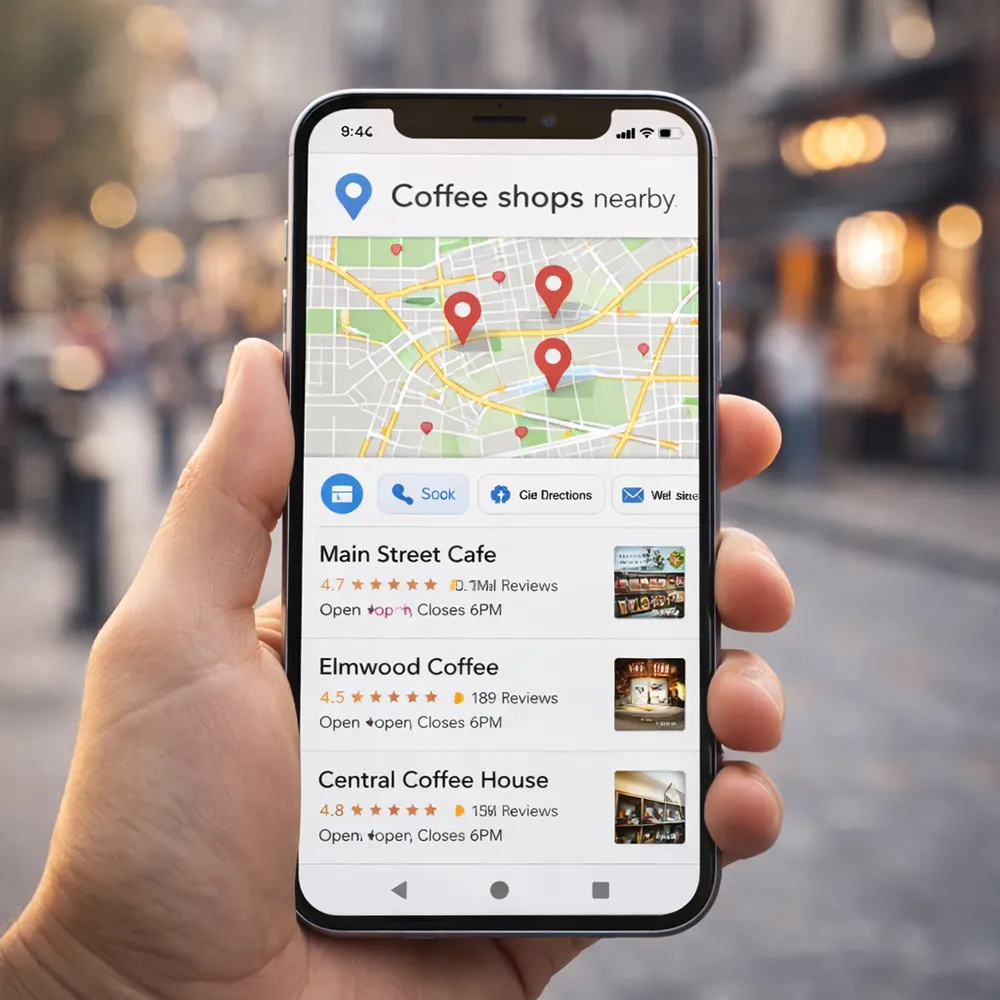
Local SEO represents a specialized subset of search engine optimization focusing on improving visibility for location-based searches where users seek nearby products or services. When potential customers search queries like "coffee shop near me," "best plumber in [city]," or "dentist near [neighborhood]," local SEO determines which businesses appear prominently in results. For companies serving specific geographic areas—restaurants, retail stores, professional services, healthcare providers—local search dominates customer acquisition, making local SEO essential for business growth.
Google's local search ecosystem revolves around several key elements. The Local Pack (Map Pack) displays three businesses with map markers at the top of search results for local queries, capturing significant click-through rates from users seeking immediate solutions. Optimizing your Google Business Profile represents the single most important local SEO tactic, requiring accurate business information, compelling descriptions, relevant categories, high-quality photos, and active management of customer reviews. Local citations—consistent business name, address, and phone number (NAP) across directories, review sites, and social platforms—strengthen local signals helping search engines verify business legitimacy and location.
Location-specific content creation enhances local search visibility by demonstrating relevance to geographic markets. This includes creating city or neighborhood-specific service pages, local event participation announcements, community involvement content, and locally-focused blog posts addressing regional concerns or interests. Customer reviews profoundly impact local SEO, with review quantity, quality, and recency all influencing rankings while also affecting consumer trust and conversion rates. Businesses should actively encourage satisfied customers to leave reviews, respond professionally to all feedback, and address negative reviews constructively. For comprehensive guidance on maximizing local visibility, the Moz Local SEO Guide provides actionable strategies and best practices.
What SEO Strategies Drive Sustainable Business Growth?
Effective SEO strategies balance quick-win opportunities with long-term authority building, creating sustainable pipelines of qualified organic traffic that support business growth over time. A strategic approach to SEO begins with comprehensive keyword research identifying terms your target audience uses throughout their customer journey—from initial awareness through consideration to purchase decisions. Tools like Google Keyword Planner, SEMrush, and Ahrefs help identify search volume, competition levels, and keyword difficulty, enabling prioritization of terms offering optimal opportunity-to-effort ratios.
Content strategy forms the heart of sustainable SEO, moving beyond basic keyword targeting to address user intent comprehensively. High-performing content answers questions completely, provides unique insights or data, demonstrates expertise and authority, and creates value exceeding what competitors offer. Content optimization involves not just keyword placement but also proper formatting with headers, bullet points, and visual elements that enhance readability; internal linking connecting related content; and regular updates keeping information current. The best SEO strategies create content hubs around core topics, developing comprehensive coverage that positions your business as the authoritative resource in your field.
Link building strategies have evolved from quantity-focused tactics to quality-focused relationship building. Earning backlinks from authoritative, relevant websites requires creating linkworthy assets—original research, comprehensive guides, data visualizations, tools, or unique perspectives that others naturally reference. Outreach strategies include digital PR identifying newsworthy angles for journalist coverage, broken link building identifying and offering replacements for dead links on relevant sites, and partnership development with complementary businesses for mutual promotion. Technical optimization ensures technical barriers did not n't undermine these strategic efforts, with regular SEO audits using tools like Google Search Console, Screaming Frog, or Sitebulb identifying and prioritizing technical improvements supporting overall SEO performance.
How Can Businesses Measure SEO Performance and ROI?
Measuring SEO performance requires tracking multiple metrics across different stages of the customer journey and understanding how search visibility translates into business outcomes. Google Search Console provides foundational data directly from Google, showing which queries trigger your pages in search results, average search rankings for keywords, click-through rates, and technical issues affecting indexing. Regular monitoring of Search Console identifies opportunities to improve existing rankings, capture additional keyword variations, and resolve technical problems before they significantly impact visibility.
Ranking tracking tools monitor your website's positions in search engine results pages for target keywords, providing trend data showing whether SEO efforts improve visibility over time. While rankings remain important indicators, modern SEO measurement emphasizes business outcomes over vanity metrics. Organic traffic volume and quality metrics—including bounce rates, time on site, and pages per session—indicate whether visitors find your content relevant and engaging. Conversion tracking connecting organic search traffic to business goals (lead submissions, phone calls, purchases, account creation) demonstrates SEO's direct contribution to revenue.
Return on investment calculations for SEO require comparing costs (internal resources, agency fees, tools, content creation) against measurable returns (revenue from organic traffic, customer acquisition costs versus other channels, customer lifetime value). Unlike paid advertising with immediate, directly attributable returns, SEO benefits accumulate gradually and persist over extended periods. Proper attribution modeling recognizes that organic search often plays multiple roles in customer journeys—initial awareness, mid-funnel research, and final decision-making—rather than simply last-click conversions. According to research from Search Engine Journal, businesses that measure comprehensive SEO impact including assisted conversions, brand search lift, and customer retention value achieve 3-5x higher ROI recognition than those focusing solely on direct conversion attribution.
What Technical SEO Factors Most Impact Search Rankings?
Technical SEO ensures search engines can efficiently crawl, understand, and index your website while users enjoy fast, secure, accessible experiences. Site speed represents perhaps the most critical technical factor, with Google incorporating Core Web Vitals—Largest Contentful Paint (loading performance), First Input Delay (interactivity), and Cumulative Layout Shift (visual stability)—directly into ranking algorithms. Slow-loading websites frustrate users and receive ranking penalties, while fast sites enjoy advantages in both user satisfaction and search visibility. Technical improvements like image compression, browser caching, content delivery networks (CDNs), and code minification accelerate page loads.
Mobile-friendliness has evolved from optional enhancement to mandatory requirement, with Google's mobile-first indexing using mobile versions of pages for ranking even desktop searches. Responsive design ensuring proper display and functionality across device sizes, touchscreen-friendly navigation elements, readable font sizes without zooming, and mobile-optimized content formatting all contribute to mobile SEO performance. Mobile page speed particularly impacts rankings and user experience, as mobile connections often operate slower than desktop broadband.
Website architecture and crawlability determine whether search engines can discover and understand your content. XML sitemaps provide roadmaps helping search engine bots find all important pages, while robots.txt files guide crawler behavior preventing waste on low-value pages. Proper URL structure using descriptive, hierarchical paths rather than cryptic parameter strings helps both users and search engines understand page purpose. Structured data markup using Schema.org vocabulary enables rich results—review stars, FAQ sections, recipe cards, event details—that enhance search visibility and click-through rates. Technical SEO ensures that quality content receives the visibility it deserves by removing barriers between your website and search engines. The Google PageSpeed Insights tool analyzes technical performance and provides specific recommendations for improvement.
How Are AI and Search Generative Experiences Changing the Future of SEO?
The future of SEO is being reshaped by artificial intelligence integration into search engines, most notably through Google's Search Generative Experience (SGE) and similar AI-powered search features. These systems use large language models to generate comprehensive answers directly in search results, potentially reducing click-through rates to traditional organic listings while creating new opportunities for visibility through AI-generated summaries. Understanding how search engines use AI to process queries and evaluate content becomes increasingly important for businesses seeking to maintain search visibility.
AI-powered search algorithms better understand context, nuance, and user intent compared to traditional keyword-matching approaches. Natural language processing enables search engines to interpret conversational queries, recognize synonyms and related concepts, and deliver results addressing underlying intent rather than just literal keyword matches. This evolution emphasizes content quality, comprehensiveness, and expertise over simple keyword optimization. Businesses must create content demonstrating genuine expertise, providing unique insights, and thoroughly addressing topics rather than producing thin content optimized for specific keywords.
The SEO landscape shifts toward entity-based search where search engines understand relationships between people, places, things, and concepts rather than just matching keywords. Building entity authority through consistent brand mentions, structured data markup, knowledge panel optimization, and comprehensive topical coverage becomes increasingly valuable. Additionally, user experience signals gain prominence as AI systems evaluate whether searchers find results satisfying based on engagement metrics and return-to-search behaviors. Businesses succeeding in this evolving environment focus on creating genuinely helpful content optimized for users first and search engines second, trusting that search algorithms increasingly reward authentic quality. The Search Engine Land publication provides ongoing coverage of AI's impact on search and emerging SEO best practices.
What Are Common SEO Mistakes That Harm Business Growth?
Even well-intentioned SEO efforts can backfire when businesses implement outdated tactics, pursue shortcuts, or misunderstand search engine requirements. Keyword stuffing—excessively repeating target keywords in unnatural ways—represents a common mistake that search engine algorithms penalize rather than reward. Modern search engines prioritize natural, readable content serving user needs over content obviously optimized for algorithms. Similarly, low-quality link building through purchased links, link farms, or reciprocal linking schemes triggers search engine penalties that can devastate rankings and traffic.
Technical errors frequently undermine otherwise solid SEO strategies. Duplicate content across multiple URLs confuses search engines about which version to rank, diluting authority across variations. Slow page speeds and poor mobile experiences drive users away while incurring ranking penalties. Broken links frustrate users and waste crawler budget, while improper redirects or missing pages create dead ends. Neglecting XML sitemaps or blocking important content in robots.txt prevents search engines from discovering valuable pages. Regular technical SEO audits using tools like Screaming Frog or Sitebulb identify these issues before they significantly impact performance.
Content-related mistakes prove equally damaging. Thin content offering minimal value or duplicating information readily available elsewhere fails to justify high rankings. Neglecting user intent by focusing on keywords rather than the underlying questions users seek to answer results in high bounce rates and poor engagement signals. Ignoring E-E-A-T (Experience, Expertise, Authoritativeness, Trustworthiness) principles by failing to demonstrate credentials, cite sources, or showcase genuine expertise limits content performance, particularly for YMYL (Your Money Your Life) topics affecting health, finances, or safety. Finally, expecting immediate results from SEO leads to premature strategy abandonment—SEO requires patience, with significant results typically emerging 4-6 months after consistent implementation. Understanding that SEO is essential for long-term growth rather than quick wins helps businesses maintain commitment through initial periods of limited visible progress.
When Should Businesses Invest in Professional SEO Services?
Determining when to invest in professional SEO services versus managing SEO in-house depends on multiple factors including business size, technical capabilities, competitive landscape, and growth objectives. Small businesses with limited resources might initially handle basic SEO—optimizing Google Business Profile, creating quality content, and addressing obvious technical issues—before engaging professionals as complexity increases. However, even small businesses benefit from professional SEO guidance when competing in saturated markets, targeting valuable commercial keywords, or lacking internal expertise to diagnose technical problems.
Professional SEO services deliver particular value in several scenarios. When organic search traffic plateaus despite continued effort, SEO experts can conduct comprehensive audits identifying overlooked opportunities or technical barriers limiting performance. When competitors consistently outrank your business, professionals bring advanced SEO strategies, competitive analysis methodologies, and link building relationships that level playing fields. When businesses expand geographically or launch new product lines, professional SEO ensures these initiatives receive appropriate search visibility from inception rather than struggling to gain traction retroactively.
Selecting professional search engine optimization providers requires evaluating expertise, methodology, and cultural fit. Look for agencies or consultants demonstrating proven results through case studies, client references, and transparent reporting. Verify they follow white-hat SEO practices adhering to search engine guidelines rather than risking penalties through shortcuts. Assess their approach to SEO—strategic consultants focus on sustainable practices, comprehensive strategies, and business outcomes rather than promising unrealistic ranking guarantees or using outdated tactics. Pricing models vary from monthly retainers providing ongoing optimization to project-based engagements addressing specific needs. The Small Business Administration offers resources helping businesses evaluate marketing service providers and establish realistic expectations for SEO investments and timelines.
Frequently Asked Questions About Search Engine Optimization
How long does SEO take to show results? SEO timelines vary significantly based on competition, current website status, and strategy scope. New websites typically require 6-12 months to achieve meaningful rankings, while established sites might see improvements within 3-6 months. However, SEO delivers compounding returns over time—rankings achieved through proper optimization tend to persist and strengthen, unlike paid advertising that stops generating traffic when spending ceases.
Is SEO still relevant with the rise of social media and paid advertising? Absolutely. While social media and paid ads serve important roles in marketing mix, organic search remains the highest-intent, most cost-effective customer acquisition channel for most businesses. Users turn to search engines when actively seeking solutions, making them further along purchase journeys than passive social media scrollers. SEO provides sustainable traffic independent of ongoing ad spending.
Can businesses do SEO themselves or should they hire professionals? Basic SEO is accessible to businesses willing to invest time learning fundamentals and implementing best practices. However, competitive markets, technical complexity, and evolving search algorithms make professional expertise increasingly valuable. Many businesses adopt hybrid approaches—maintaining basic content and optimization internally while engaging professionals for technical audits, link building, and strategic guidance.
What's more important—on-page optimization or link building? Both prove essential; neither alone suffices for competitive success. Excellent on-page optimization without quality backlinks limits authority signals needed for competitive rankings. Conversely, strong backlink profiles can't overcome poor content or technical barriers preventing proper indexing and ranking. Comprehensive SEO balances all optimization pillars.
How much should businesses budget for SEO services? SEO budgets vary dramatically based on competition, market size, and objectives. Small businesses in local markets might invest $500-$2,000 monthly for professional services, while enterprises competing nationally or internationally may spend $10,000-$50,000+ monthly. Consider SEO investment relative to customer lifetime value and acquisition costs through alternative channels—effective SEO typically delivers lower customer acquisition costs than paid advertising over time.
Key Takeaways: Leveraging Search Engine Optimization for Sustainable Business Growth
Search engine optimization improves your website's visibility on search engines like Google, driving qualified organic traffic that converts into customers while building brand credibility and providing sustainable competitive advantages over competitors relying solely on paid advertising
Search engines work through crawling, indexing, and ranking processes, with search engine algorithms evaluating hundreds of factors including content relevance, technical performance, user experience, and external authority signals when determining which pages rank for specific queries
The three pillars of SEO—on-page optimization, off-page authority building, and technical infrastructure—must be addressed comprehensively for maximum effectiveness, with each pillar supporting the others in creating sustainable search visibility
Local SEO proves essential for businesses serving geographic markets, with optimizing your Google Business Profile, managing customer reviews, building local citations, and creating location-specific content driving visibility when potential customers search for nearby products or services
Effective SEO strategies balance quick-win opportunities with long-term authority building through comprehensive keyword research, high-quality content addressing user intent, strategic link building earning backlinks from authoritative sources, and regular technical optimization
SEO performance measurement requires tracking rankings, organic traffic, engagement metrics, and conversions while understanding that SEO benefits accumulate gradually and persist over time, making attribution modeling and comprehensive ROI analysis essential for recognizing full value
Technical SEO factors including site speed, mobile-friendliness, crawlability, structured data, and security directly impact both search rankings and user experience, with regular audits using Google Search Console and specialized tools identifying improvement opportunities
AI and search generative experiences are reshaping the future of SEO by better understanding user intent, emphasizing entity-based search, and potentially reducing click-through rates to traditional organic listings while creating new opportunities for visibility through AI-generated summaries
Common SEO mistakes including keyword stuffing, low-quality link building, technical errors, thin content, ignoring user intent, and expecting immediate results harm business growth and may trigger search engine penalties that devastate rankings and traffic
Professional SEO services deliver particular value when organic traffic plateaus, competitors consistently outrank your business, companies expand into new markets, or internal teams lack expertise to diagnose complex technical issues or execute advanced strategies
Search engine optimization isn't optional for businesses seeking sustainable growth in competitive digital markets—it's an essential investment that compounds returns over time while establishing foundations for long-term market leadership. By understanding how search engines evaluate websites, implementing comprehensive strategies across all SEO pillars, measuring performance against business objectives, and adapting to evolving search algorithms and AI integration, companies can help your business grow through consistent organic traffic acquisition. Whether managing SEO internally or partnering with professional seo services, the commitment to excellence in search optimization pays dividends through reduced customer acquisition costs, enhanced brand authority, and competitive advantages that persist even as markets and technologies evolve. Success in modern business growth increasingly depends on search visibility, making SEO expertise not just advantageous but essential for ensuring your business remains discoverable, credible, and competitive in an increasingly digital-first economy.






.svg)