Start the conversation today. Fill out the form and take the first step toward measurable growth.
Thank you! Your submission has been received!
Oops! Something went wrong while submitting the form.
Close
Small Business Brand Strategy: Building Your Business
Branding isn't a luxury reserved for companies with deep pockets. For a small business, a strong brand is often the thing that makes you memorable, builds trust, and wins the customer who was deciding between you and the shop down the street. This guide breaks down practical, affordable small business brand strategies — from finding your brand voice and brand story to building a consistent visual identity with free tools. You'll learn how to build a strong brand identity without a big budget, why brand consistency matters more than a fancy logo, and how branding for small businesses drives real business growth. If you've ever felt your business blends into the crowd, this is where you start to stand out.
What Is Small Business Branding and Why Does It Matter?
Branding is the full impression people have of your business — not just your logo, but your name, your voice, your values, and how it feels to do business with you. A small business brand is the personality and promise behind everything you put out. Many small business owners think branding is just a logo and a color, but it runs deeper: it's the essence of your business, the reason a customer remembers you and comes back.
Here's why branding is essential for small businesses specifically. When you're competing against bigger players with bigger budgets, strong branding levels the field. It's what turns a one-time buyer into a loyal customer and a stranger into someone who already trusts you before they've spoken to you. Trust is the real currency here — Edelman's research has found that a large majority of consumers say brand trust is a deciding factor in what they buy, and a clear, consistent brand is how you earn it. A recognizable brand signals that you're established and reliable, which matters enormously when a new customer is deciding whether to take a chance on a smaller business. Great branding builds that trust before a single conversation happens.
The payoff shows up in business growth. A memorable brand earns word-of-mouth, commands a little more pricing power, and makes every marketing dollar work harder because people already recognize you. The power of branding is that it compounds — each consistent impression reinforces the last, so your branding efforts build on each other over time. For a small business, that compounding recognition is one of the few advantages you can build without spending much at all.
How Do You Define Your Brand Strategy and Brand Values?
Before you touch a logo or pick a color, you need a brand strategy — the foundation that guides every other decision. An effective brand strategy starts with knowing what your business stands for. What problem do you solve? What do you believe? Who are you for? Your brand values answer these questions, and they're the bedrock of everything that follows. Skip this step and your branding becomes a collection of pretty pieces with no center.
Start by writing down your purpose and core values in plain language. Why does your business exist beyond making money? What principles won't you compromise on? These aren't fluffy mission-statement words — they shape how you talk to customers, what you promise, and how you show up. A landscaping company that values “showing up when we say we will” will brand itself very differently from one that leads with “premium design.” Both are valid; the point is to know yours and let it drive your brand positioning, the space you want to own in your customer's mind.
This groundwork is also where brand positioning gets decided. Look at what other businesses in your space sound like, then find the gap you can fill. You don't need to be everything to everyone — you need to be the obvious choice for a specific kind of customer. A strong brand strategy makes that choice clear. Once you know what you stand for and who you serve, every branding decision downstream gets easier, because you have a standard to measure it against. This is the part many small business owners skip, and it's the part that makes branding actually work.
What Makes a Strong Brand Voice and Brand Personality?
Your brand voice is how your business sounds when it talks — in your website copy, your emails, your social posts, your signage. Brand personality is the character behind that voice: are you warm and folksy, sharp and professional, playful and bold? Defining these gives your business a consistent feel that customers recognize, the same way they'd recognize a friend's way of speaking. For a small business, a distinct voice is one of the cheapest ways to stand out.
To find your brand voice, think about how you'd actually talk to your best customer face to face. Most small businesses lose their personality the moment they start “writing for business,” defaulting to stiff corporate language that sounds like everyone else. Don't. If you're a friendly neighborhood bakery, write like one. If you're a no-nonsense plumber, sound like one. Your brand personality should reflect the real human running the business, because authenticity is exactly what lets a small business connect in a way big brands struggle to fake.
Once you've nailed it down, write a few notes on your brand voice — tone, words you use, words you avoid — so it stays consistent no matter who's posting. This becomes part of your brand guidelines later. The goal is that a customer could read your social caption, your email, and your website and feel like they're hearing the same business throughout. A consistent brand voice reinforces your brand every time someone encounters it, building the familiarity that turns into trust and, eventually, business growth.
Define a brand voice that sounds like the real person running the business.
How Do You Build a Visual Identity Without a Designer?
Your visual identity is the look of your brand — logo, colors, fonts, and the overall style of your visuals. It's the most recognizable part of branding, and the good news is you can build a solid one without hiring a designer or spending much. A cohesive visual identity makes your business look professional and helps with brand recognition, so people spot you instantly across your website, your business card, and your storefront.
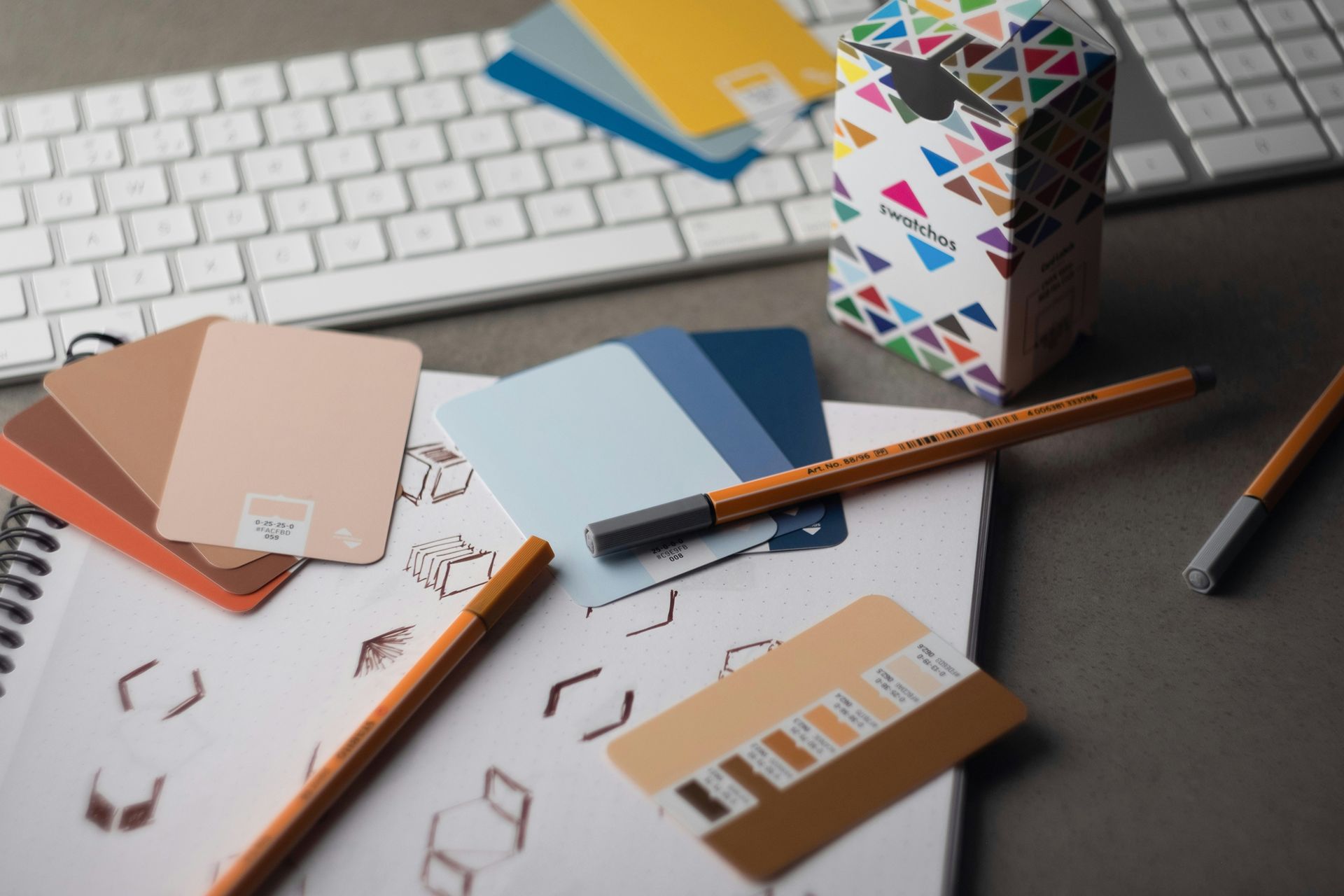
Start with the essentials: a simple logo, two or three brand colors, and one or two fonts. You don't need anything elaborate — a clean, consistent look beats a fancy one that you can't reproduce everywhere. Color does a lot of heavy lifting here: according to a University of Loyola study, a signature color can lift brand recognition by as much as 80%, which is why locking in your palette early pays off. Free tools like Canva offer templates that make it genuinely easy to create a brand look that holds together, with logo makers, color palette generators, and ready-made templates for everything from social posts to a business card. Pick your colors and fonts once, then use them everywhere. That repetition is what builds visual branding that sticks.
The mistake to avoid is treating each piece separately. Your logo, your website, your packaging, and your Facebook business account should all share the same colors, fonts, and feel. When your visual identity is consistent, every touchpoint reinforces the same brand image, and that consistency is what makes a small business look bigger and more trustworthy than its size. Strong web design and development carries your visual identity onto your website, where most customers form their first real impression of your brand. If your current site no longer reflects the brand you've built, our complete guide to website redesign walks through bringing it back in line.
Why Does Brand Consistency Matter So Much?
Brand consistency means showing up the same way everywhere — same voice, same colors, same values, every time a customer encounters you. It sounds simple, but it's where most small businesses fall apart, posting in one tone on Instagram, another on their website, with mismatched colors in between. That inconsistency quietly erodes trust, because it makes a business feel disorganized or unreliable, even when the work is excellent.
A consistent brand, by contrast, builds recognition fast. Research consistently shows that brand consistency can meaningfully increase revenue because every consistent impression reinforces the last, so customers learn your brand more quickly and trust it sooner. When your branding elements line up — the logo on your truck matches the colors on your website matches the voice in your emails — each encounter strengthens the whole. That's brand consistency doing its quiet, compounding work.
The practical way to maintain consistency is a brand style guide. This doesn't have to be a fancy document — even a single page listing your colors (with their exact codes), your fonts, your logo files, and a few notes on your brand voice will do. A brand style guide keeps everything aligned as your business grows and as more people start creating content for you. Whenever you make something new, you check it against the guide. That small discipline is what separates a brand that feels cohesive from one that feels thrown together, and it costs nothing but a little upfront effort.
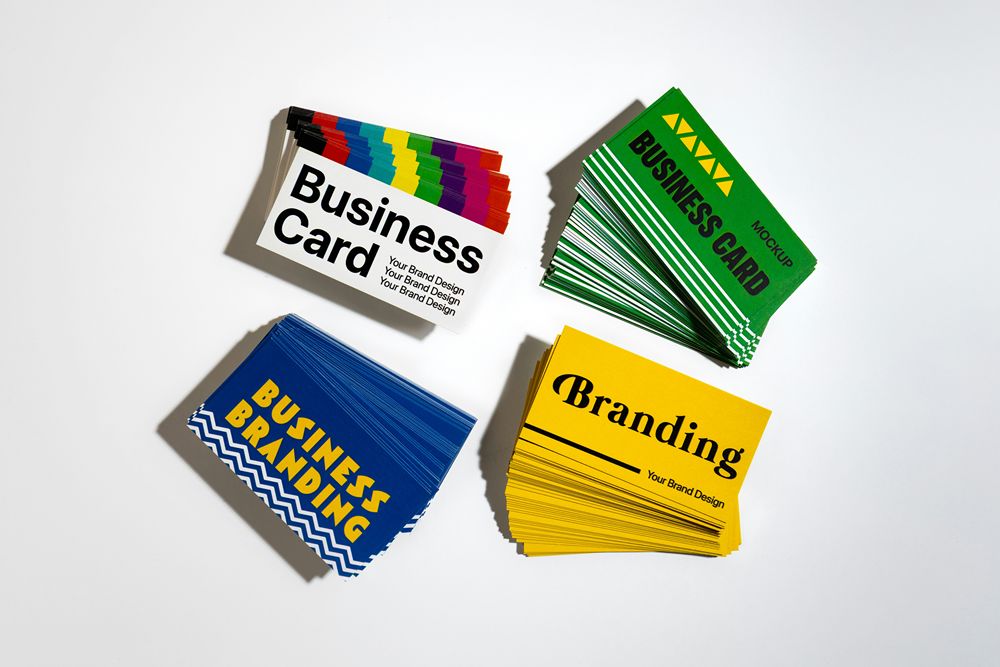
A consistent logo, colours, and fonts make a small business look bigger.
What's the Role of Your Brand Story?
Your brand story is the narrative behind your business — why you started, what you care about, who you help. People connect with stories far more than with features or prices, and for a small business, your story is often your biggest advantage. A big corporation can't authentically tell the story of a family that's served the same town for three generations, or a founder who started the business to fix a problem they lived through. You can.
A good brand story is honest and specific. It doesn't need to be dramatic; it needs to be real. Why did you start? What do you believe about your craft? What kind of customer do you love working with? Weave these answers into your About page, your social posts, and the way you talk to customers. A clear brand story gives people a reason to choose you that has nothing to do with being the cheapest — it makes them feel something, and feeling is what drives loyalty. This is the essence of your business made into words people can connect with.
Your brand story also keeps your branding grounded as you grow. When you're deciding how to handle a new product or service, a new market, or a tough customer situation, your story reminds you who you are. It's the thread that ties your brand values, your voice, and your visual identity together into something coherent. Customers can feel when a brand has a real story behind it versus when it's just selling, and that authenticity is one of the strongest, most affordable small business brand strategies available to you.
What Are Affordable and Creative Branding Ideas for Small Businesses?
You don't need a big budget for effective branding — you need creativity and consistency. Some of the best branding ideas for small businesses cost almost nothing. Branded packaging and a handwritten thank-you note turn a transaction into a brand experience. A consistent hashtag and a recognizable posting style build brand awareness on social media for free. Even something as simple as sidewalk chalk branding outside a storefront can make a local business memorable in its neighborhood.
Think about every place a customer touches your business and ask whether it reflects your brand. Your email signature, your voicemail greeting, your invoices, your business card — each is a chance to reinforce your brand at no extra cost. These small, consistent touches add up to a brand experience that feels intentional and professional. Creative branding ideas don't have to be expensive; they have to be consistent and true to who you are. The businesses that brand well on a small budget are the ones that treat every touchpoint as part of the story.
Local businesses have a special advantage here: community. Sponsoring a local team, showing up at local events, and partnering with neighboring businesses build brand recognition in exactly the place your customers live. This kind of presence is affordable and authentic, and it ties your brand to the community in a way national competitors can't match. Pair these grassroots efforts with consistent social media marketing, and you reach your local audience both in person and online, reinforcing the same brand in both worlds. For more ways to stretch a small marketing budget, our roundup of small business marketing ideas for 2026 covers tactics that pair naturally with strong branding.
What Free Tools and Templates Help You Build Your Brand?
The barrier to good branding has never been lower, thanks to free tools and templates that handle the design work small businesses used to pay agencies for. Canva is the obvious starting point — its free tier gives you logo templates, brand color tools, and design templates for nearly everything you'll need. Google Fonts gives you professional typefaces at no cost. Color palette generators help you pick a cohesive set of brand colors in minutes. These branding tools put a polished look within reach of any budget.
Beyond design, free tools cover the rest of your branding efforts too. A simple email platform lets you send branded newsletters that reinforce your voice. Social scheduling tools keep your posting consistent without eating your whole day. Many of these offer free tiers generous enough for a small business to run its entire brand presence on. The key isn't having the most tools — it's using a few consistently so your branding stays cohesive everywhere it appears. Free tools and templates remove the “I can't afford to brand properly” excuse entirely.
A quick caution: free tools make it easy to create, but easy creation can lead to inconsistency if you're not careful. This is where your brand style guide earns its keep. Before you make a new graphic or post, check it against your colors, fonts, and voice. The tools give you the means; your guidelines give you the consistency. Used together, free tools and a simple brand guide let a small business build a brand that looks every bit as professional as a much larger competitor's, which is exactly the point.
A simple brand style guide keeps every touchpoint consistent.
When Should a Small Business Invest in Professional Branding Help?
DIY branding gets most small businesses a long way, and for many, free tools and a clear strategy are enough for years. But there's a point where bringing in professional help pays for itself — usually when your business is growing faster than your branding can keep up, when you're entering a more competitive market, or when an inconsistent, pieced-together brand is actively costing you customers. If your branding looks amateur next to your competitors, that gap is worth closing.
Professional branding help does more than make things look nice. A good partner brings strategy — helping you clarify your brand positioning, sharpen your brand message, and build a cohesive system that holds together as you scale. They catch the inconsistencies you've stopped noticing and translate your brand values into a visual identity and voice that actually land with your audience. For a business at a growth inflection point, that strategic clarity is often worth far more than the design itself. The right help turns scattered branding efforts into a real brand strategy.
You don't have to choose between fully DIY and fully outsourced, either. Many small businesses do the foundational thinking themselves, then bring in help for the pieces that need polish — a professional logo, a proper brand style guide, a website that carries the brand well. If a website is where you need that polish most, our look at the best web design service for small business can help you weigh your options. Branding solutions built for small businesses can take what you've started and make it cohesive and professional without the agency price tag. When you're ready to develop a strong brand that grows with your business, book a private consultation and we'll help you build a brand identity that makes your business memorable.
Key Things to Remember
Branding is more than a logo — it's the full impression of your business, and strong branding is essential for small businesses competing against bigger players.
Start with brand strategy. Define your brand values, purpose, and positioning before touching any visuals; this foundation makes every other decision easier.
Develop a clear brand voice and personality that sounds like the real human running the business. Authenticity is a small business advantage.
Build a consistent visual identity — logo, colors, fonts — using free tools like Canva. A clean, consistent look beats an elaborate one.
Brand consistency matters most. Showing up the same way everywhere builds recognition and trust, and consistent branding can meaningfully lift revenue.
Tell your brand story. Your honest, specific origin and values give customers a reason to choose you beyond price.
Use affordable, creative branding ideas — branded packaging, community presence, consistent social media — to build brand awareness on a small budget.
Lean on free tools and templates, but pair them with a simple brand style guide to keep everything consistent.
Consider professional branding help when you're scaling, entering a competitive market, or when inconsistent branding is costing you customers.
Branding compounds. Every consistent impression reinforces the last, so consistency over time is what drives brand recognition and business growth.
Ready to Build a Brand That Makes Your Business Memorable?
A strong brand is one of the few advantages a small business can build without outspending the competition — but it takes strategy and consistency to get right. If you'd rather have experts shape your brand strategy, visual identity, and voice into something cohesive and professional, book a private consultation through the form on our site. We'll look at where your brand stands today, find what's holding it back, and build a brand identity that makes your business the obvious choice. A stronger brand, more recognition, more growth — that's the goal.




.svg)