Start the conversation today. Fill out the form and take the first step toward measurable growth.
Thank you! Your submission has been received!
Oops! Something went wrong while submitting the form.
Close
Storm Season Roofing Marketing Strategy for Roofers
A hailstorm rolls through your county on a Tuesday afternoon. By Wednesday morning, homeowners across three ZIP codes are searching for a roofer, and the roofing companies with a plan already running are the ones landing the work — not the ones scrambling to figure out where the calls are even coming from. That gap between “ready” and “reacting” is what separates roofing companies that treat a hard hit as a windfall from the ones watching a competitor's truck parked in every driveway on their own street. This guide covers what makes the roofing market spike after a storm, how homeowners actually search once their roof is damaged, and the marketing strategy that keeps your pipeline full whether the sky is calm or the National Weather Service just issued another warning.
What Makes the Roofing Market Different During Storm Season?
The roofing market behaves nothing like most home-service categories. A plumbing business sees steady, predictable call volume most months. A roofing company can go from quiet to slammed in the six hours it takes a bad storm to cross a metro area. One week you're chasing a handful of roof replacement jobs. The next, half the neighbourhood needs a roof inspection and everyone wants an answer today.
That volatility is exactly why so many roofing companies treat marketing as an afterthought during calm months and then panic-spend the moment bad weather arrives. Homeowners don't wait around when their roof is leaking. They pull out a phone, search “roofer near me,” and call whoever shows up first with a real phone number and decent reviews. If your roofing company isn't visible in that moment, the roofing market moves on without you, and it moves fast.
The most successful roofing companies treat a hard hit as the payoff for groundwork laid months earlier, not a lucky break. Roofing company marketing during a spike isn't about being the loudest. It's about already being findable when someone types “roof leak” into a search bar at 7am.
Why Do Homeowners Search for a Roofer the Minute a Storm Hits?
Once a storm hits, the clock starts. A homeowner walks outside, spots missing shingles or a fresh stain on the ceiling, and starts looking for help fast — sometimes within minutes of the hail stopping. That's what happens every time a serious storm event moves through a service area, not only after a named hurricane. Search volume for “roof repair near me” and similar terms spikes sharply in the areas that took the worst of the damage, and it does so within hours rather than days.
What homeowners want in that moment is simple: proof that a roofer is local, available now, and not going to disappear after cashing an insurance check. They're comparing reviews, checking for a real address, and looking for anyone offering a free inspection instead of a hard sell. A roofer who shows up in that first wave — with a strong, current online profile and a site that loads fast on a phone — wins the call before a competitor finishes typing a proposal.
Out-of-state crews tend to flood in right behind the weather, working a neighbourhood hard for a few weeks and then vanishing before the workmanship warranty ever gets tested. Homeowners increasingly ask about that upfront, which favors local roofing companies who can point to a real office, a local phone number, and years of past work in the same neighbourhood.
How Does Storm Damage Turn Into a Spike in Roofing Demand?
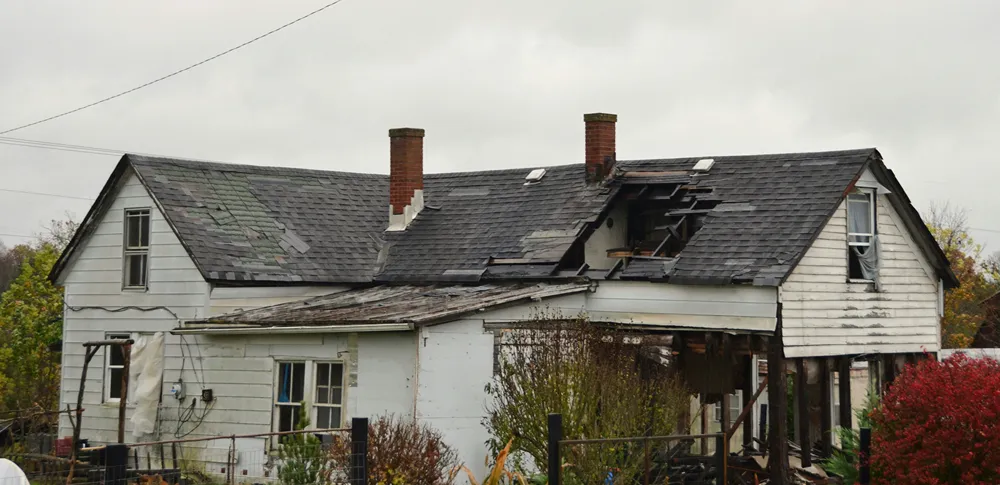
Hail doesn't damage every roof the same way. Some homes need a full roof replacement. Others only need a targeted roof repair on the section that took a direct hit. Either way, storm damage creates urgency that a slow sales cycle can't keep up with, and the rush in calls can outstrip what a two- or three-person crew can physically inspect in a single day.
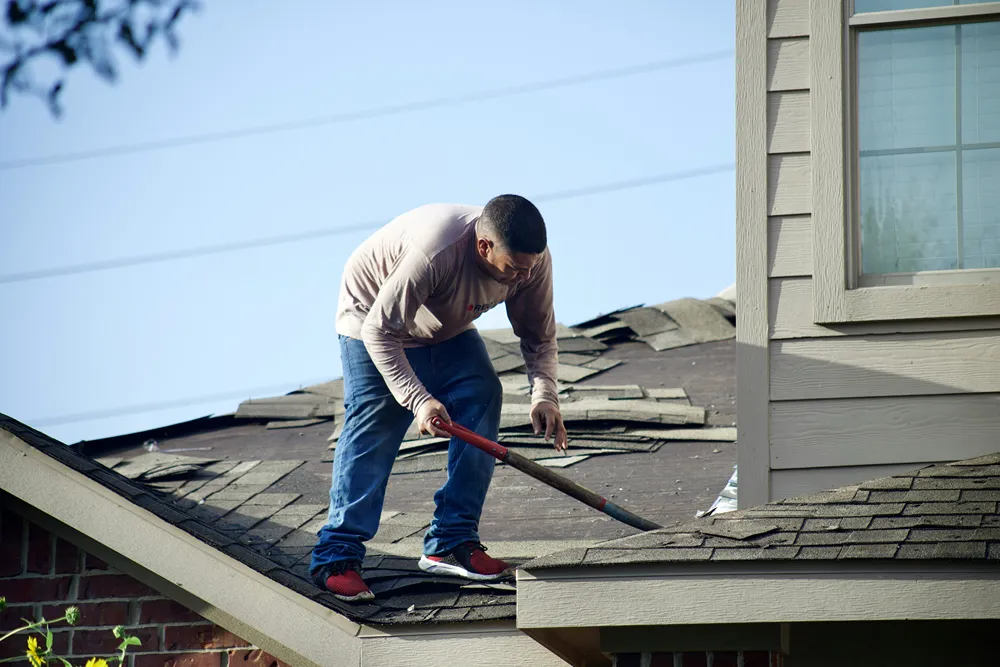
The roofing companies that handle this well don't wait for the phone to ring. They offer a no-cost inspection, document everything with photos for the claim, and give homeowners a clear next step instead of vague promises. A fast, thorough roof inspection also helps build trust before any money changes hands, which matters more than a sales pitch when someone's already stressed about a leaking ceiling. The National Roofing Contractors Association's guidance on post-storm roof repairs is worth sharing with homeowners directly: it tells property owners to assess damage from ground level and leave the closer inspection to a qualified professional, which makes your crew look like the informed option rather than the pushy one.
Not every jump in demand turns into signed work, though. Roofing companies that can't answer the phone, follow up within a day, or explain the claims process in plain language lose those calls to whoever can. A busy phone line without a system behind it is just noise.
What Does a Pre-Built Storm Response Plan Look Like for Roofing Companies?
This kind of plan is the difference between capturing a fair share of storm work and watching it go to whoever answers faster. At minimum, it means having landing pages, ad campaigns, and Google Business Profile posts ready to go live within hours of a weather event, not built from scratch while the phone is already ringing.
The best storm response campaigns are boring by design. A dedicated landing page for storm damage inspections. A Google Ads campaign that can go live within 24 hours of a major storm moving through your service area. A script your office staff follows so every caller gets the same fast, professional response. None of it is complicated. It just has to already exist before the storm does. A single storm week can bring in more calls than a normal month, and the companies with a plan already running convert far more of them.
This kind of preparation protects your crews too. In a market where roofing companies live or die by response time, a roofing contractor with a real storm response system can prioritize jobs by urgency and insurance timeline instead of first-come chaos, which helps keep your crews busy on a predictable schedule instead of double-booked and scrambling.
How Does Local SEO Help Roofing Companies Win Visibility Ahead of Bad Weather?
Local SEO is what puts your roofing company in front of homeowners before they even know they'll need you. Roofing SEO isn't only about ranking for “roof repair.” It's about ranking in the exact neighbourhoods a storm just hit, for the exact terms a stressed-out homeowner types into a phone at midnight. Ranking for “best roofing company near me” matters more in the 48 hours after a storm than any other week of the year.
Winning that ground starts with the basics: a complete, active Google Business Profile, service pages built around the right keyword for each city you cover, and a website that loads in under three seconds on mobile. BrightLocal's local SEO statistics find that Google Business Profile factors carry the biggest impact on local pack rankings, with primary category, proximity and business title leading the list — which is exactly why so many companies leave easy wins on the table by letting their profile go stale between storms. Google's own guidance on posting updates to your profile is a quick, free way to keep that profile active year-round instead of only during a rush.
Can Google Ads and Local Service Ads Generate Storm Leads Fast?
Yes, and this is where paid search earns its keep. Organic rankings build visibility over months; Google Ads and paid local platforms can generate calls the same afternoon a storm passes. A campaign built to target homeowners in the hardest-hit areas, paired with a landing page written specifically for storm damage, can start producing calls before your organic rankings even notice the jump in search volume.
The tricky part is cost per lead. During a major weather event, competition for roofing keywords climbs right alongside search demand, and the price of each lead can climb fast if your campaigns aren't tightly targeted. Most roofing leads come from three channels during peak storm months: paid search, paid local ads, and referrals from happy clients, and the ones who track their numbers by channel are the ones who know where to spend the next dollar. If you're evaluating agencies for this, our post on choosing the right PPC management partner covers what to look for before signing a contract, and our pay-per-click management team builds these storm-triggered campaigns for roofing clients specifically.
How Do You Turn an Insurance Claim Into a Signed Contract?
Most storm-driven jobs come with a claim attached, and that adds a step most other trades don't deal with. Homeowners want a contractor who can walk them through the claim process, not just estimate the job. Explaining how the adjuster visit works, what documentation helps, and roughly what timeline to expect builds more trust than any pitch about shingle brands.
Your close rate on these leads depends heavily on speed and clarity. A homeowner comparing three companies will usually sign with whoever explained the insurance claim process most clearly and showed up fastest to take a look. Even a few dozen extra qualified leads a year that turn into signed contracts pay for the effort many times over, especially when the average roof replacement runs well into five figures.
Past customer reviews matter here too. Homeowners going through a claim are nervous about getting scammed, and seeing that a roofing company has years of past customer work in their own neighbourhood does more to close the deal than any discount.
Why Does Every Roofing Business Need a CRM and Marketing System for Storm Leads?
A storm can generate more calls in a week than your business normally sees in a month, and without a CRM, most of that volume slips through the cracks. A basic system does the unglamorous work: logging every call, tracking follow-ups, and making sure a lead from Tuesday's storm doesn't get forgotten by Friday.
Roofing companies without a follow-up system convert only a fraction of the leads a storm sends their way, simply because nobody circled back. You don't need six figures to build a marketing system that captures every lead a storm sends you; software connected to your ads and your website, plus a clear intake script, covers most of it. That same setup needs to flex with storm surges in demand without falling apart the rest of the year, keeping lead flow steady whether it's June or January.
How Should You Time Your Roofing Marketing to Prepare for Storm Season?
Storm season preparation starts months before the first watch is ever issued, not the morning after. Getting this right means your online profile, your storm-damage page, and your ad accounts are already built, approved, and sitting ready before the first forecast even mentions hail. Build the system once, and it's ready for the next storm without another scramble.
A steady mix of SEO and content marketing keeps the phone ringing after the last storm-damage claim gets settled, turning one loud month into leads year-round instead of a single rush followed by silence. What works after a storm fades from the headlines is the same groundwork that made you visible before it hit: a complete SEO audit checklist run once or twice a year keeps that foundation from quietly decaying between storms.
What Roofing Marketing Strategies Separate Trusted Local Roofers From Storm Chasers?
Fly-by-night crews show up loud, undercut on price, and leave town before the first callback complaint. Trusted local roofers win differently: consistent reviews, a real address, and marketing for roofers that shows up whether or not a storm just hit. Homeowners are getting better at telling the difference, and it shows in who they actually call.
The strategies to keep your crews busy in the slow months look different from the ones built for a storm surge, but they share a foundation: visibility, speed, and proof you'll still be around next year. Whether your marketing budget is $1,500 a month or $15,000, the fundamentals stay the same. The best clients aren't the one-time storm chase job. They're the repeat customers and referrals you keep for a decade.
Frequently Asked Questions About Roofing Lead Generation
How fast do homeowners search after a storm hits?
Homeowners start searching for roofing help within a few hours of a storm passing, often before the debris is even cleared from the yard. The companies visible in that window usually win the job.
What's a realistic cost per lead when demand spikes?
It varies by market, but expect the price per lead to rise during the first week after a major event as every roofing company in the area turns on ads at once. Tight geographic targeting and a dedicated storm page keep it from spiraling.
How many leads can organic search and paid ads realistically produce?
It depends on market size and budget, but a roofing business investing consistently in both channels can reasonably expect a mix of steady organic inquiries plus a meaningful jump in paid leads during active storm weeks.
Ready to Turn Storm Season Into Steady Work?
You don't need to reinvent your marketing every time a forecast changes. A roofing industry marketing plan built around your service area, paired with lead generation solutions designed for storm-driven demand, means your business is ready to capture more leads the moment conditions turn instead of scrambling after they pass. Reach out through our contact page or fill out our short consultation form, and we'll walk through what a storm-ready plan looks like for your crew size and service area.
Key Things to Remember
The weeks after a bad storm bring a short-lived surge in calls, and speed matters more than polish in that window.
Homeowners start comparing roofers within a few hours of a storm, looking at reviews, local presence, and no-cost inspection offers.
A storm-ready plan, with pages and ad campaigns built in advance, beats scrambling after the first call comes in.
Strong local rankings and an active Google Business Profile keep your roofing company findable before a storm ever hits.
Google Ads and paid local platforms can produce calls fast, but only pay off with tight targeting and a low cost per lead.
Explaining the insurance claim process clearly improves your close rate more than any sales pitch.
A simple follow-up system stops leads from slipping through the cracks during a busy week.
Steady search and content work turn one good storm month into leads that keep coming all year.
Trusted local roofers outlast fly-by-night crews by showing up consistently, not just after bad weather.



.svg)