Baltimore is a city of neighborhoods, and marketing here works differently than it does in a national campaign. What fills seats in Hampden won't always work in Towson or Columbia. This guide walks through ten moves that consistently bring customers to shops, clinics, trades, and restaurants across Maryland: showing up on the map, collecting reviews, spending smarter on paid campaigns, using AI without sounding like everyone else, and building partnerships across the city. If you own or run a company here, you'll find a practical plan you can start this week.
Why Does Marketing in Baltimore Work Differently From National Marketing?
Maryland runs on small companies. The SBA Office of Advocacy's 2025 Maryland small business profile counts 696,710 small firms, which is 99.6 percent of all businesses in the state, employing about 1.2 million people. That's a crowded field, and your closest competitor is usually a few blocks away rather than across the country.
Baltimore adds its own wrinkle. The city is tightly packed and fiercely neighborhood-loyal. A customer in Canton may never consider a shop in Pikesville, even though it's a short drive. Your message has to speak to the specific pocket of the city you serve, not to "the Baltimore market" as one block.
That's good news for a smaller business. You don't need a huge budget to dominate a few zip codes. You need to be visible where people actually look and trusted by the neighbors who already know your name.
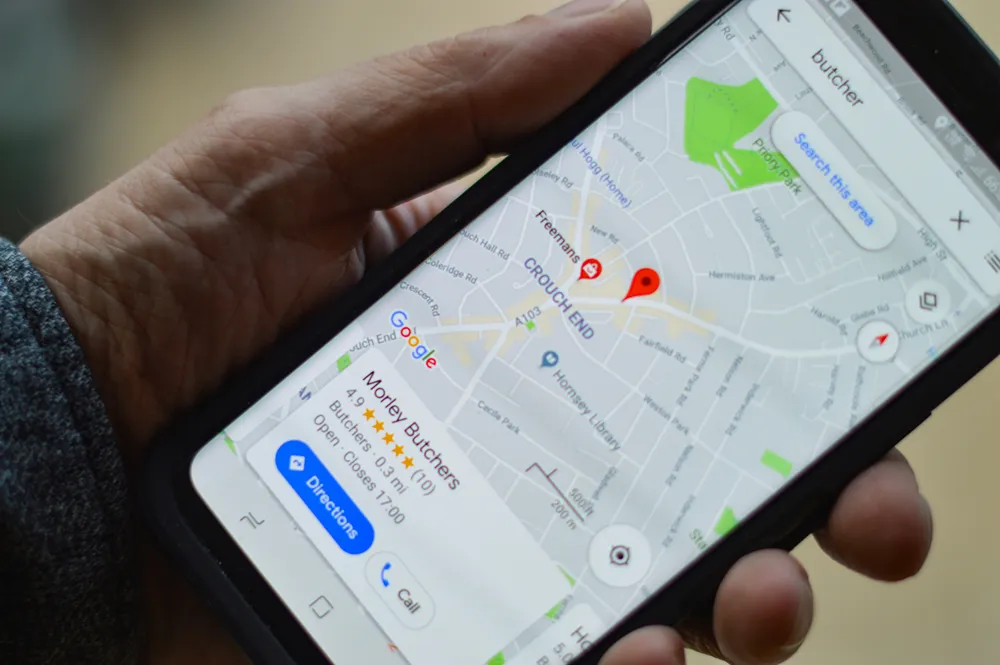
Does Your Google Listing Show Up on the Map?
Your Google Business Profile is the single highest-value asset you own online. It appears when someone looks for your service nearby, often before your website does. Fill in every field: categories, services, hours, photos, and a working phone number.
Google says local results are mainly based on relevance, distance, and popularity, and that more reviews and positive ratings can help your ranking. You can't change how far away someone is, but you can control the other two by being thorough and staying active.
Post updates regularly and add photos of real jobs, real staff, and your actual storefront. Treat the profile like a second homepage that you optimize every month rather than a form you filled out once.
Are Your Listings Consistent Everywhere People Look You Up?
Your name, address, and location details should match everywhere. Yelp still drives real traffic for Baltimore restaurants and service categories, Bing feeds results into other tools, and a BBB page adds a trust signal for the kind of buyer who compares vendors carefully. Apple Maps and the data aggregators behind it matter too.
Mismatched details are a quiet killer. When one directory lists an old suite number and another has a disconnected line, search engines lose confidence in your data and your visibility slips. That's the most common cause of bad local SEO we see in audits, and it's one of the easiest things to fix.
Claim every listing you can find, correct the details, and check them twice a year. Our listings management solutions keep this synced across dozens of sites so you don't have to.
How Do You Get Reviews From Customers Who Actually Live Here?
Ask, and ask quickly. The best moment is right after a job goes well, while the customer is still standing in front of you. Send a review request by text the same day and make it one tap. A short followup two days later catches anyone who meant to and forgot.
Reviews carry enormous weight. BrightLocal's 2026 Local Consumer Review Survey found 97% of consumers read reviews for nearby companies, and 68% will only use a business with a rating of four stars or better. A thoughtful reply to every review, good or bad, tells the next reader you pay attention.
Neighborhood detail matters too. A review that mentions Federal Hill or Hamilton does more for your credibility than a generic five-star rating with no text. Encourage people to say where they are and what you did.
Is Your Website Built to Win Local Search?
Most people will find you on a mobile browser, with a thumb hovering over the back button. If your site loads slowly or hides your number, they're gone. Make the number tappable at the top of every page and keep forms short, because convenience is what turns a visitor into a call.
Build a page for each service and each place you work. A roofer covering Baltimore County needs separate pages for the towns they serve, not one page listing twenty place names. That structure is what helps you appear in search results when someone types a service plus a neighborhood.
Start with paid campaigns on Google, because those people are already looking for what you sell. A tight ad budget aimed at a handful of zip codes usually outperforms a broad one aimed at the whole metro. Target the areas you can serve profitably, then expand.
Social advertising works differently. It reaches people before they go looking, so it suits elective purchases, events, and new openings. Instagram tends to perform well for restaurants, salons, and anything visual, while LinkedIn fits professional services and B2B outreach.
Whatever you run, make it measurable. Track calls and form fills, not clicks, and check your cost per booked job every month. Our pay-per-click management team builds campaigns around real outcomes.
How Can AI Tools Help Without Making You Sound Like Everyone Else?
AI is now part of everyday marketing technology, and used well it saves hours. Draft first versions of posts, summarize customer feedback, build a content calendar, or turn one long article into a week of social updates. For a two-person shop, that's a real gain.
The risk is sameness. If every business in the state publishes the same polished, generic copy, none of it stands out. Use AI for the first draft, then add what only you can: the job you did last week, the neighborhood quirk, your own point of view.
There's a second shift worth watching. People increasingly ask chat assistants for recommendations instead of scrolling. Those answers lean on the same signals as the map: accurate listings, clear service pages, and strong reviews. Doing the basics well helps you appear in both places.
What Does Seasonal Marketing Look Like in Maryland?
Demand here moves with the weather and the calendar. Trades get slammed in the first heat wave and the first freeze. Restaurants fill during Orioles home stands and festival weekends. Retailers ride the stretch from Thanksgiving to the new year.
Plan your calendar backward from those peaks. A spring tune-up offer should launch in March, not May. A holiday promotion should be built in October. Getting ahead of the rush is how you keep momentum instead of scrambling.
The quiet weeks matter too. Use them for maintenance offers, loyalty rewards, and the content you've been putting off. That rhythm, busy season plus slow season planning, keeps work steady all year.
Should You Still Use Printed Mail and In-Person Marketing?
In parts of Baltimore, yes. Direct mail still reaches homeowners who ignore digital media, especially in established neighborhoods with long-term residents. A well-designed postcard with one clear offer can outperform a month of untargeted display spending.
Other offline marketing works here as well. Sponsor a youth league, put your logo on the truck, show up at a neighborhood festival, or partner with nonprofits on a community event. In a city this relationship-driven, being seen in person builds a kind of trust that digital channels can't replicate.
The trick is to integrate the two. Put a trackable code or a dedicated URL on every printed piece so you can see what it produced. Your media channels should feed each other, not run in separate silos.
How Do Neighborhood Partnerships Bring in New Work?
Find a business that shares your customers but doesn't compete with you. A chef at a neighborhood restaurant and a nearby brewery can promote each other. A real estate agent, a mover, and a home inspector make a natural referral network.
Start simple. Trade social posts, co-host an event, or offer each other's customers a small perk. One good partnership can bring steady work at no media cost, and it often earns you a local link back to your site, which helps your rankings too.
Join the room as well. Neighborhood associations, the chamber, and industry groups put you in front of decision-makers across the city. People hire the business owners they have actually met.
Are You Measuring What Your Marketing Efforts Produce?
Every marketing move above should answer one question: did it bring in customers? Track leads by source, cost per lead, and how many become paying jobs. Without that, you're guessing at which half of your budget works.
Set up call tracking, ask every new customer how they found you, and review the numbers monthly. Gauge each channel on booked revenue rather than impressions. A comprehensive view across channels is what separates spending from investing.
Keep a record of the wins. An internal case study on which push filled your slowest month is worth more than any industry benchmark, because it's drawn from your own customers in your own market.
How Should a Smaller Company Choose Where to Start?
Pick two things and do them well. For most local businesses here, that means your Google listing plus reviews, or your website plus a small paid budget. Trying all ten moves at once with one busy owner behind them is how good plans die.
Weigh affordability against effort. Listings and review requests cost little beyond time. Paid campaigns cost money but deliver faster. Email marketing sits in between: cheap to run, slow to build, and valuable once your list grows. Match each choice to the resources your organization's team actually has.
Then commit for at least a quarter. Visibility compounds, and switching your strategy every few weeks resets your progress. Our marketing services in Baltimore page shows how we sequence this work for companies in the city.
Frequently Asked Questions
How much should a small business marketing budget be? It depends on your margins and goals, but consistency beats size. A modest monthly spend maintained all year outperforms one big push followed by silence.
How long until I see results? Paid campaigns can produce calls in days. Listing and review work usually shows up in map rankings within a month or two. Organic content takes longer but keeps working.
Do I need to be on every platform? No. Pick the one or two where your customers already spend time, and do those properly. A single skilled person doing two things well beats a scattered effort.
Should I ask Baltimore locals what they think? Yes. Ask customers where they looked before they called you. A few honest answers will tell you more about where to focus than any national trend report, and they'll show you which outdated assumptions to drop.
Ready to Market Your Business Locally?
You don't need a bigger budget to compete here. You need the right tactic, applied consistently, with someone keeping it on track. Whether you want help with one piece or a plan for the whole business, we work with companies across the region every day, and a quick conversation with a rep costs nothing.
Book a free consultation. We'll review your listings, your site, and your reviews, then show you the two or three changes that will make the biggest difference for your brand this year.
Key Things to Remember
This city is a collection of neighborhoods, so speak to the areas you actually serve.
Your Google listing and your reviews drive more calls than almost anything else.
Keep your details identical everywhere people can look you up.
Build a page for each service and each town you cover.
Put paid budget behind tight zip codes and measure booked jobs, not clicks.
Use AI for speed, then add the detail only you can provide.
Plan promotions ahead of your busy seasons, and use quiet weeks to prepare.
Printed mail, sponsorships, and partnerships still work well in this market.
Track every lead source monthly, and start with two priorities rather than ten.