Start the conversation today. Fill out the form and take the first step toward measurable growth.
Thank you! Your submission has been received!
Oops! Something went wrong while submitting the form.
Close
Marketing Ideas for Dentists: New Patient Specials
A full schedule rarely happens by accident. The practices that stay busy usually have a clear offer for first-time visitors, a strong local presence, and a system that turns one visit into years of care. This guide covers the marketing ideas that consistently work for dental practices: how to build a new patient special that fills chairs without cheapening your care, how to reach patients without insurance, where Google and Facebook fit, and how to keep them coming back after the first cleaning. If you own a practice or manage one, you'll leave with a practical plan you can start this month.
What Makes a New Patient Special Worth Offering?
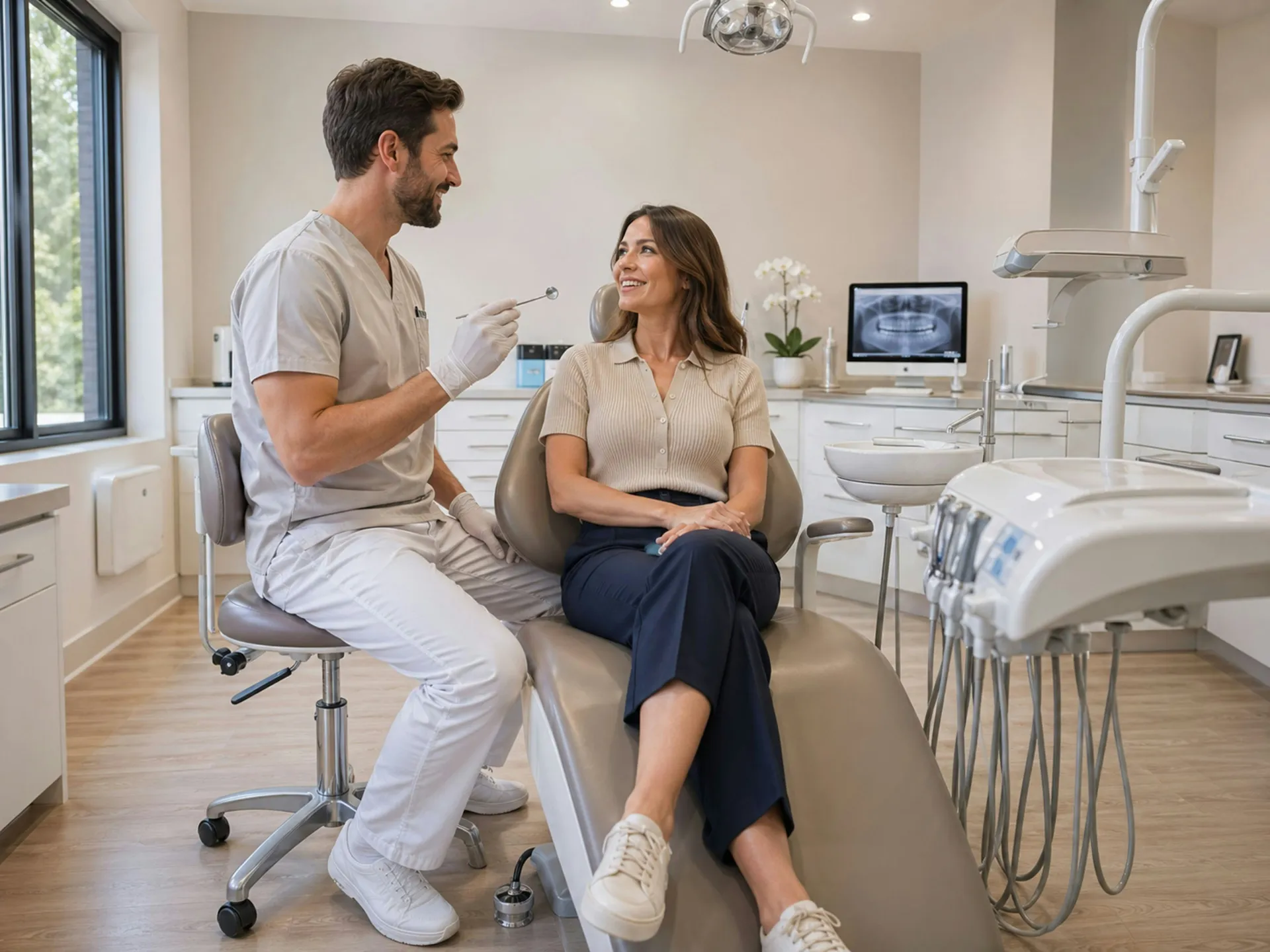
People looking for a new dentist tend to compare a few offices before they call. A clear new patient special gives them a reason to pick you. The most common version bundles a comprehensive exam, a full set of x-ray images, and a standard cleaning at one set price, such as a $99 new patient special. It removes the biggest worry most first-timers have: not knowing what the visit will cost.
The offer works best when it's simple and specific. Spell out what's included, who qualifies (usually patients without active coverage), and what happens if the dentist finds something that needs treatment. Vague offers create suspicion. Clear ones build confidence before the patient ever walks in.
Treat the special as the start of a relationship, not a one-off sale. The goal isn't to make money on the first visit. It's to earn the trust that leads to ongoing dental care, and that's where the practice's real value sits.
How Should a Dentist Price a Promotion Without Cheapening the Practice?
A promotion should lower the barrier to a first visit, not lower the perceived value of your work. That's why most practices discount the entry point (exam, x-rays, cleaning) rather than restorative treatment. A deep discount on crowns or implants can make patients wonder what they're giving up in quality.
Keep a few guardrails in place. Limit new patient promotions to one per household or a set window of time. Avoid words like "cheap" in your ads, and focus on convenience and care instead. Also check your state dental board's advertising rules before launching an offer. Many boards have specific requirements for how fees and "free" services are advertised.
It also helps to set expectations for your dental team. Front desk staff should know exactly what the special includes, how to explain it, and how to present any recommended treatment afterward. A well-run first visit matters far more than the size of the discount.
Can Membership Plans Win Over Uninsured Patients?
They often can, and the market is large. The American Dental Association's Health Policy Institute reports that 21% of working-age adults and 55% of adults 65 and older have no dental benefits. Many of these people skip care simply because they don't know what it will cost.
An in-house plan solves that. Patients pay a monthly or annual fee that covers preventive visits, with a set discount on other treatment. For the practice, these plans create predictable revenue and loyal patients who come in twice a year. For patients without dental insurance, they turn an unknown bill into a simple budget line.
Promote the plan alongside your other dental services everywhere a potential patient looks: your website, your Google listing, your front desk, and in follow-up after a first visit. Keep the terms plain and the pricing visible. A plan that's hard to understand won't sell, no matter how good the value is.
How Does Local SEO Help Your Dental Practice Show Up?
When someone searches "dentist near me" or "emergency dentist open Saturday," Google shows the map in the local search results first. Showing up there depends on accurate listings, strong reviews, and a website that clearly tells search engines what you offer and where. That's the work local search optimization does.
Start with a dedicated page for each core service, such as preventive care, veneers, implants, and pediatric visits, and a page for each location if you have more than one. Add your hours, insurance accepted, and a clear booking path. Our breakdown of how local and traditional search rankings differ explains why this local layer matters so much for practices serving a specific area.
Your dental website also needs to load fast and work well on a phone, since most local searches happen on mobile. If the site is slow or confusing, you'll lose visitors to the next result. Our guide on how to design a high-converting website walks through what that looks like in practice.
How Do You Get the Most From Your Google Business Profile?
Your Google listing is often the first impression a patient gets, before they ever see your site or meet the dentist. Google states that local results are mainly based on relevance, distance, and popularity, and that more reviews and positive ratings can help your ranking. So fill in every detail: categories, services, hours, photos of your office and team, and a direct booking link.
Post updates regularly, including your current special, new technology, or a short introduction to a new hygienist. Answer questions in the Q&A section before patients have to call. Keep your name, address, and phone number identical everywhere else online.
Reviews tie it all together. Ask satisfied patients for feedback right after a good visit, and reply to every review professionally without confirming any treatment details. Our reputation management solutions automate those requests so you get a steady flow of fresh reviews.
Why Do Patient Testimonial Videos Build Trust Faster?
Dental anxiety is real, and written reviews only go so far. A short video of a real patient describing how comfortable the visit felt, or how much a smile makeover changed their confidence, can reassure a nervous visitor in a way text can't. These clips also perform well on social media and on your service pages.
Keep them short and natural, and let patients speak in their own words. Always get written HIPAA authorization before recording or sharing, and never offer incentives in exchange for positive feedback. The FTC's final rule on fake reviews and testimonials bars incentives conditioned on a particular sentiment.
Pair videos with written patient reviews for the strongest effect. BrightLocal's Local Consumer Review Survey 2026 found that 97% of consumers read reviews when choosing a local business, and 74% look for reviews from the past three months. Fresh, real stories keep your practice credible.
Should You Run Google Ads for Emergency Dentistry?
For many practices, yes. People with a broken tooth or severe pain search with urgency and call quickly. Running search ads for urgent care puts your number at the top of the page at the exact moment someone needs help. These patients often become long-term patients once their immediate problem is solved.
Keep campaigns focused. Target people within a short drive, schedule ads for the hours you can actually take calls, and send clicks to a landing page with a clear phone number and your after-hours policy. Track calls, not just clicks, so you know which ads bring in real appointments.
Do Facebook Ads Work for Cosmetic Offers Like Dental Implants?
Social ads work differently from search. Instead of reaching people who are already looking, they reach people who fit your ideal patient profile but haven't started searching yet. That makes them a good fit for elective services, whether you're a general dentist or a specialist, where the decision takes time. An ad inviting locals to whiten their smile before the holidays, for example, can fill hygiene chairs during a slow month.
For high-value treatment like implants, use Facebook to educate before you sell. Short videos explaining the process, recovery time, and financing options help potential patients move from curiosity to a consultation request. Always follow the platform's rules for health-related ads and keep claims realistic.
Retargeting adds another layer. People who visited your implant page but didn't book can see a follow-up ad with a patient story or a financing reminder. This keeps your practice in mind during the weeks it takes most people to decide on major dental work.
How Can Health Tips and Oral Health Content Keep Current Patients Engaged?
Marketing isn't only about new faces. The people already in your chairs are your most valuable audience, and steady contact keeps them booking on schedule. Monthly emails with practical advice, such as caring for a child's first teeth, choosing a toothbrush, or what to do after a filling, keep your practice top of mind between visits.
Useful content also brings in new visitors. Short articles answering common questions about dental health help your site show up in more searches and position your team as helpful experts. Over time, this builds website traffic that doesn't depend on ad spend.
Reminders matter just as much. Automated texts and emails for recall appointments and cleanings, along with birthday notes and seasonal check-ins, make it easy for patients to stay on track. It's one of the simplest marketing ideas for dentists, and one of the most profitable.
How Do You Turn Happy Patients Into a Referral Engine?
Word of mouth has always driven family dental practices. A structured referral program makes it consistent. Thank patients who refer a friend with a handwritten note or a small gift card, and make it easy with shareable cards at checkout and a simple link in your emails. Check your state's rules on referral incentives before you launch one.
The patient experience is what earns referrals in the first place. Short wait times, clear explanations, gentle care, and friendly follow-up give people something to talk about. Families are especially likely to refer when both adults and children feel comfortable, so highlight pediatric dentistry if you offer it.
Don't forget local connections either. Partnering with schools, gyms, and local employers, or sending a well-designed dental direct mail piece to new movers in your area, puts your name in front of households that need a dentist. A good mailer with a clear offer still works, especially when paired with digital follow-up.
What Should You Track to Judge Dental Marketing Results?
Every channel should earn its place. Track new patients by source, cost per new patient, how many first visits turn into accepted treatment, and how many patients return for their six-month visit. Those numbers show which marketing efforts actually grow the practice.
Review results monthly and adjust. If direct mail brings in families while Facebook brings in smile makeovers, you can plan each channel around what it does best. A successful marketing strategy is rarely about one big idea. Effective marketing is a mix of channels, measured and improved over time, built around attracting and retaining patients.
Every dentist who does this well treats promoting a dental practice as part of running the business, not an afterthought. That marketing approach gives you steady growth and helps you grow your patient base without relying on constant discounting.
When Should You Bring In a Dental Marketing Company?
Every dental office reaches a point where the front desk and dental professionals can't keep up with marketing on top of patient care. That's usually the moment to bring in help. A good partner understands the dental industry, compliance limits, and how to tie every campaign back to booked appointments.
At VisioneerIT Local, we help practices with digital marketing that brings in the right patients. See how we support dental offices on our marketing for dentists page, or read our website audit checklist to see where your site stands today.
Ready to fill your schedule? Book a free consultation, and we'll review your listings, reviews, and offers and show you where the next wave of patients can come from.
Key Things to Remember
A clear, simple first-visit offer gives new patients a reason to choose you over the office down the street.
Discount the entry visit, not complex treatment, and check your state dental board's advertising rules.
In-house plans open the door to a large group of people who don't have dental benefits.
Strong listings, fresh reviews, and a fast mobile site drive most local bookings.
Use search ads for urgent needs and social ads for elective care that takes longer to decide.
Get written authorization before sharing any patient story, photo, or video.
Stay in touch with existing patients through reminders, useful content, and a simple referral program.
Track results by source every month so every dollar you spend has to prove itself.




.svg)