Start the conversation today. Fill out the form and take the first step toward measurable growth.
Thank you! Your submission has been received!
Oops! Something went wrong while submitting the form.
Close
Med Spa Marketing Strategies: Growth Plan for Med Spas
Most med spas don't have a demand problem. They have a visibility problem. People in your area are searching for neurotoxin, facials, and laser hair removal right now, and they're choosing whichever medical spa looks the most trustworthy in the first few seconds. This guide lays out a practical marketing plan for owners and practice managers: local search, reviews, your website, email, referrals, and content that answers real patient questions. You'll also see where to spend first, what to measure, and how to fill the book without training patients to wait for the next sale.
Why Do Med Spas Need a Med Spa Marketing Strategy in 2026?
The market is bigger and more crowded than ever. The American Med Spa Association's industry statistics put industry revenue above $17 billion, growing by more than $1 billion per year. That growth pulls in new competitors every quarter, from physician-owned clinics to franchises opening two doors down.
In a busy medical spa industry, "we do great work" isn't enough to keep the schedule full. Patients compare med spas the same way they compare restaurants: photos, star ratings, how easy it is to book, and whether the place feels safe. A clear med spa marketing strategy decides which of those signals you work on first, instead of trying everything at once and measuring nothing.
It also protects your margins. Without a plan, it's tempting to run a discount every slow month. That fills chairs for a week, then teaches patients to wait for the next deal. The better goal is more patients who come back because they trust you, not because the price dropped.
How Do You Build a Medical Spa Marketing Plan That Works?
Start with your numbers. Which services carry the best margin in your med spa business? Which ones bring patients back every three or four months? For most practices, injectables and memberships drive repeat business, while bigger-ticket devices need more education before someone commits. Your plan should push the services that grow the practice, not just the ones that are easiest to promote.
Next, map where new patients actually come from today. Ask at intake, check your booking software, and look at call tracking if you have it. You'll usually find a handful of sources doing most of the work. Double down there before you spread your budget across ten channels.
Then set a simple calendar: one core promotion per quarter tied to a season (summer laser prep, holiday skin refresh), steady monthly content, and a review request built into every visit. Good med spa marketing is mostly consistency. The med spas that win are rarely the ones with the flashiest ads. They show up the same way, every month.
How Can Local SEO Help Potential Clients Find Your Medspa?
When someone types "lip filler near me," Google shows the map pack first and the organic search results underneath. Location-focused work is how you earn a place in both. It covers your listings, your reviews, your location pages, and how clearly your website tells Google what you offer and where.
Think about how potential clients search. They rarely type your name. They type a treatment plus a city, and they often do it on a phone between errands. Every major service should have its own page built around one clear keyword, such as "Botox in Rockville" or "HydraFacial Alexandria," with real details on pricing ranges, downtime, and who performs the treatment. Our breakdown of how local and traditional search rankings differ explains why that local layer matters so much for clinics.
Local search is also where your medspa competes with the other med spas closest to your patients. Proximity matters, but so do relevance and reputation, and those two you can influence. If you'd rather hand the technical side to specialists, our organic search team builds these pages and tracks rankings for you.
Fill in every field. Pick the right primary category, list each treatment as a service, add accurate hours, and connect your online booking link so patients can schedule straight from the map. Post updates a few times a month: a new provider, a seasonal offer, a short explainer video. Upload fresh photos of your space and team so people know what to expect when they walk in.
Keep your name, address, and phone number identical everywhere else online. Mismatched listings confuse Google and patients alike. Our listings management solutions keep those details in sync across dozens of directories so you don't have to check them by hand.
How Do You Optimize Your Website for Mobile-Friendly Booking?
Most of your traffic arrives on a phone. If the page loads slowly, the menu is cramped, or booking takes six taps, people leave and pick the next result. A good med spa site is fast, easy to read with one thumb, and puts a clear "Book an appointment" button at the top of every page.
Use strong calls to action beyond the header, too. After each treatment description, invite the reader to book a consultation or ask a question by text. Show pricing ranges where you can. Patients are wary of hidden costs, and a straight answer often wins the booking over a competitor who hides it.
Structure matters for rankings as well. Clear headings, service pages written for real questions, and clean technical setup all count toward search engine optimization. For ideas on layout and flow, see our guide on how to design a high-converting website.
Why Do Patient Reviews Matter So Much for Med Spas?
Aesthetic treatments are personal. Nobody wants to gamble on their face, so people lean heavily on what others say. BrightLocal's Local Consumer Review Survey 2026 found that 97% of consumers read reviews when choosing a local business, and 68% will only use a business rated four stars or higher. Recency counts too: 74% look for reviews written in the last three months.
That means reviews need a steady flow, not a one-time push. Ask at checkout while the patient is happy, then follow up with a text link the same day. Reply to every review, good or bad, in a calm, professional tone. Never confirm treatment details in a public reply. HIPAA still applies, even when the patient mentions the procedure first.
Stay on the right side of the rules as well. The FTC's final rule banning fake reviews and testimonials prohibits incentives conditioned on a review expressing a particular sentiment, and bars undisclosed reviews from owners and managers. Ask every patient, not just the happy clients. Feature client testimonials on your site too, with written permission. Our reputation management solutions automate requests and flag negative feedback early so you can respond fast.
How Can Educational Content Build Trust for Laser Treatments and Injectables?
Patients research before they book. They want to know how many sessions it takes, whether it hurts, and what recovery looks like. When your site answers those questions honestly, you build trust long before the first visit. That's the heart of content marketing for a clinic: be the source patients rely on.
Publish educational content that matches real questions from your front desk. A short article on how laser options differ by skin type. A video of your injector explaining what a first Botox appointment feels like. A skincare routine for the weeks after a chemical peel. Each piece can target a keyword patients actually search, which pulls in traffic and helps your visibility over time.
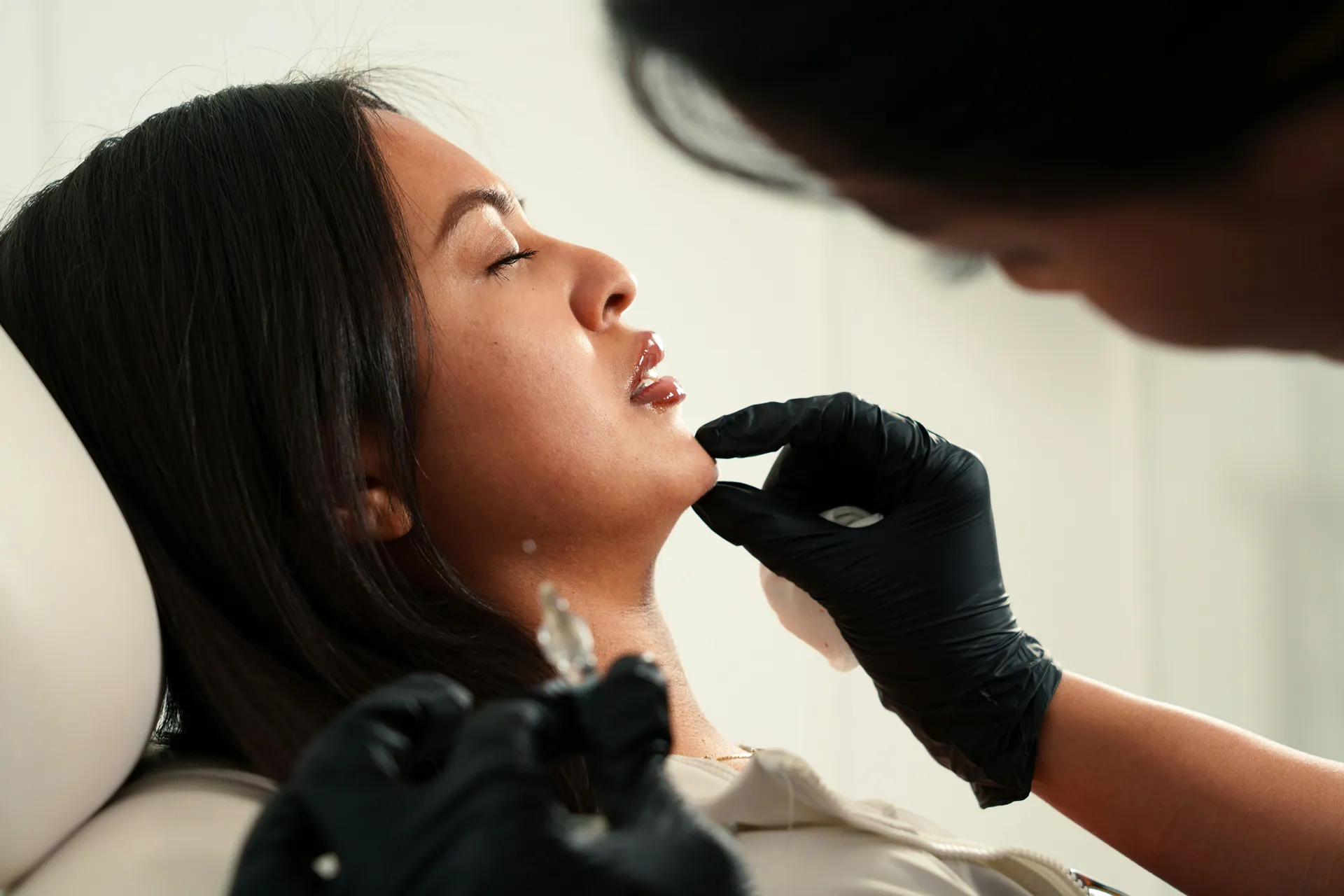
Before-and-after photos are among the most persuasive content you have, but handle them carefully. Get signed patient authorization, avoid heavy editing, and include a note that results vary. A short written testimonial next to the image adds context. If you want help turning expertise into pages that rank, our post on SEO copywriting that ranks and converts walks through the approach.
Is Email Marketing Still Worth It for a Medical Spa?
Yes. Your patient list is the one audience you own outright. Email marketing keeps your practice top-of-mind between visits and brings people back when it's time for their next appointment.
Keep it useful. Send appointment reminders, seasonal treatment tips, and early access to limited slots for members. Segment by treatment history so a filler patient doesn't get the same email as someone who only books facials. One focused campaign a month usually beats a weekly blast that trains people to ignore you.
Timing matters, too. A reminder sent three months after a neurotoxin visit arrives right when results start fading. That kind of automated campaign quietly drives repeat visits without extra work from your team. When you do run a promotion, send it to your list first so loyal patients feel valued.
Do Referral Programs and Influencer Partnerships Work for Med Spas?
Word of mouth has always driven med spas. Referral programs simply make it consistent. Give existing patients an easy way to share, such as a card, a link, or a code, and thank them with a service credit once the friend completes a visit. A referral from a friend arrives with trust already built in, and those patients tend to stay.
Local creator partnerships can work, too, if you choose carefully. Look for creators whose followers actually live near your practice, not big accounts with a national audience. Require clear disclosure of any paid relationship, and review claims before they post. Medical results shouldn't be promised in a caption.
Both approaches also help you expand your reach into social circles your ads can't touch. Our social media marketing solutions can help you plan partner content that drives real social media engagement instead of vanity likes.
Should You Combine Digital Marketing With Partnerships With Local Businesses?
The strongest plans mix both. Online channels bring in people who are searching right now. Offline partnerships keep your name top of mind with people who aren't searching yet but fit your ideal client perfectly.
Think about local businesses that share your audience: boutique gyms, bridal shops, salons, high-end fitness studios. Co-host an event, swap gift cards, or offer a member perk. These marketing tactics cost little and bring in warm introductions, which helps you grow your client base with people who already trust the partner who sent them.
Paid search fills the gaps. Google Ads can put you at the top of the page for high-intent searches like "same-day injectables near me" while your organic rankings grow. Just keep landing pages tied to the ad, track every call and form, and pause anything that isn't bringing in bookings.
Which Marketing Strategies Should You Measure First?
Not every channel deserves equal attention. Start with the numbers that connect directly to revenue: new bookings by source, cost per new patient, consultation-to-treatment rate, and rebooking rate. If you can't track a channel back to bookings, you can't judge it.
Review results monthly and adjust. Pull back marketing efforts that aren't working and put more into what is. That discipline is what separates effective marketing strategies from guesswork, and it's what turns marketing into business growth rather than a monthly expense.
Keep an eye on the long game too. SEO, reviews, and helpful articles take months to build, but they compound. Paid ads stop the moment you stop paying. A healthy mix gives you steady bookings now and long-term growth later, which is the kind of sustainable growth that lets you hire, add devices, and open that second location.
When you want a second opinion from a marketing agency that knows the spa industry, book a free consultation. We'll review your listings, reviews, and website and show you where the next wave of new patients can come from.
Key Things to Remember
Med spas compete on trust: photos, ratings, and easy booking often decide who gets the appointment.
Build a written plan around your highest-margin, most repeatable services, and avoid constant discounting.
Give every core treatment its own page and keep your Google listing complete and active.
Make your site fast on phones with booking buttons on every page.
Ask every patient for a review, reply professionally, and follow HIPAA and FTC rules.
Answer real patient questions honestly on your site, and get signed consent before sharing any photos.
Use email, referrals, and local partners to attract more clients and bring existing ones back.
Track bookings by source every month so your marketing success is measurable, not guesswork.




.svg)